
AI Weight Loss Solutions: Smarter Tools for Lasting Results

In today’s data-driven world, artificial intelligence (AI) is transforming nearly every aspect of our lives—from how we work to how we manage our health. AI weight loss solutions are emerging as powerful, personalized, and sustainable tools that go far beyond traditional dieting methods. These intelligent platforms analyze individual data points, predict user behaviors, and deliver customized guidance designed for long-term success. For those seeking tailored strategies, best AI diet planners now offer adaptive programs that are smarter, more engaging, and often more effective than manual approaches.
As weight loss becomes increasingly digitalized, AI is reshaping how people approach dieting, fitness, and lifestyle changes. Whether you’re battling obesity, managing post-surgery nutrition, or simply trying to optimize your wellness, AI-powered tools offer real-time adjustments, actionable insights, and goal-driven support—all powered by machine learning algorithms and predictive analytics.
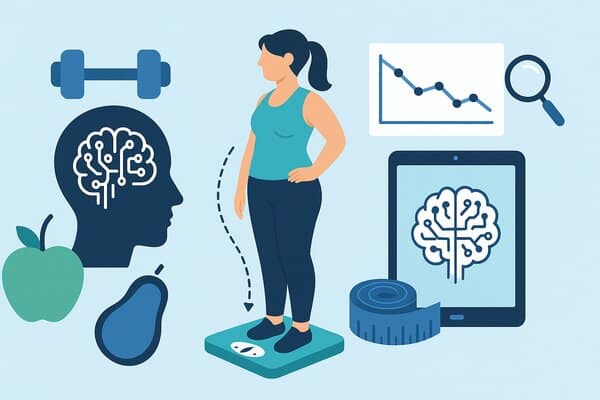
How AI Is Revolutionizing the Weight Loss Industry
The conventional weight loss journey is typically rooted in fixed diet plans, calorie counting, and generic fitness routines. These one-size-fits-all strategies often fail to produce consistent or sustainable results. AI changes this equation entirely by offering dynamic personalization that evolves with the user.
Data-Driven Personalization
AI solutions collect and analyze user data such as body mass index (BMI), activity levels, sleep patterns, heart rate, blood sugar, and even emotional triggers. These inputs are continuously fed into machine learning models that detect behavioral trends and physiological patterns. As the system learns more about the user, it offers increasingly accurate suggestions tailored to their lifestyle, preferences, and biological responses.
Behavioral Adaptation and Predictive Modeling
What sets AI apart from traditional weight loss apps is its ability to anticipate future behaviors and recommend preventive measures. For instance, if the system detects a pattern of late-night snacking on weekends, it might adjust your calorie intake earlier in the day or suggest a healthy nighttime snack option. Predictive modeling allows these tools to stay one step ahead, helping users avoid common pitfalls before they occur.
Continuous Learning and Real-Time Feedback
Unlike static weight loss programs, AI-powered platforms evolve continuously. The more data they receive, the smarter they become. Real-time feedback helps users adjust their diet or exercise plan immediately, preventing small slip-ups from becoming major setbacks. Notifications, progress tracking, and gamified elements also improve user adherence and motivation.
Top Features of AI Weight Loss Solutions
Modern AI tools integrate a wide array of functionalities that make them more powerful and user-friendly than ever before. From intuitive meal planning to AI-guided fitness routines, these platforms serve as comprehensive health companions.
Smart Meal Planning and Grocery Assistance
AI diet planners go beyond basic food logs by suggesting balanced meals that match your nutritional needs and taste preferences. They can identify gaps in your micronutrient intake, recommend substitutions for allergenic foods, and even generate shopping lists based on your pantry inventory. Some apps integrate with grocery delivery services, making meal planning more convenient than ever.
Fitness Integration and Motion Recognition
AI-enabled fitness platforms often sync with wearable devices like smartwatches and fitness bands. These integrations allow the software to track movement, measure workout intensity, and analyze recovery. Some advanced systems use computer vision to evaluate your form during exercises, providing corrective feedback to minimize the risk of injury and optimize performance.
Sleep and Stress Monitoring
Since sleep quality and stress levels significantly impact weight loss, many AI weight loss solutions include modules for tracking and managing these factors. AI algorithms analyze sleep cycles and heart rate variability to gauge stress, providing actionable suggestions such as meditation sessions or sleep hygiene improvements.
Conversational AI and Virtual Coaching
Chatbot-style virtual coaches are increasingly popular in AI-driven platforms. These assistants simulate human-like interaction and are available 24/7 to answer questions, motivate users, and adjust plans on demand. Unlike traditional personal trainers, these AI companions don’t require appointments or hourly fees, making them more accessible for a broad audience.
Who Benefits Most from AI Weight Loss Technology?
AI weight loss platforms are suitable for a wide demographic. Their flexibility and adaptability make them ideal for a variety of users, including:
Individuals with Chronic Health Conditions
People with diabetes, hypertension, or hormonal disorders often require specialized diets and exercise regimens. AI tools can tailor recommendations based on medical history, lab results, and medication schedules, ensuring that health goals are met safely.
Post-Bariatric Surgery Patients
After undergoing weight-loss surgery, individuals must follow highly specific dietary protocols. AI diet planners are capable of adjusting nutrient ratios and portion sizes as the patient progresses through recovery stages, minimizing complications and promoting healing.
Busy Professionals and Parents
Time constraints often make it difficult to follow strict diet and exercise routines. AI platforms offer quick meal suggestions, at-home workout routines, and real-time tracking that simplify decision-making and reduce mental load for people on the go.
Fitness Enthusiasts Seeking Optimization
For athletes and fitness-conscious users, AI systems provide granular control over macronutrients, training periodization, and recovery protocols. These platforms can analyze performance data to maximize gains while preventing burnout or overtraining.
Leading AI Weight Loss Tools in 2025
The AI wellness market is rapidly expanding, and several tools are setting benchmarks in the industry. While offerings vary by region and specialization, the following platforms are gaining widespread attention for their innovation and effectiveness:
Lumen
Lumen uses a portable device to measure metabolism through breath analysis. The AI then recommends meal plans based on your body’s current fuel usage—carbs or fats. It’s ideal for biohackers and data enthusiasts.
Noom AI
While Noom originally began as a psychology-based app, it now uses AI to refine behavioral interventions and meal tracking. Its adaptive learning model personalizes feedback to improve long-term habit formation.
Calorie Mama AI
This app uses image recognition to identify food from photographs. It simplifies logging by allowing users to snap a picture of their meal and receive immediate calorie and macro information powered by AI.
Fitbit Premium with AI Insights
Fitbit has integrated machine learning into its premium service, offering personalized recommendations for exercise, sleep, and stress management. Its AI continuously evolves as more biometric data is collected.
AI’s Role in Long-Term Weight Management
Short-term weight loss is one thing; maintaining that loss over months and years is another. This is where AI shows particular promise.
Sustainable Behavior Change
AI-powered tools don’t just tell you what to do—they help you understand why certain habits are beneficial. Through consistent nudges, reflective questions, and adaptive goal-setting, these systems gradually shape behavior in a sustainable way.
Preventing Weight Regain
By constantly monitoring lifestyle inputs and adjusting plans, AI tools can identify the early warning signs of relapse. Whether it’s a decrease in activity levels or increased caloric intake, these platforms help users course-correct before regaining weight.
Community and Social Engagement
Many AI weight loss apps include social features like user forums, challenges, and accountability partners. These elements foster community engagement, which has been shown to significantly improve adherence and outcomes.
Limitations and Considerations
While AI offers significant advantages, it’s not without its limitations. Users should be aware of potential challenges when incorporating these tools into their lifestyle.
Data Privacy
With sensitive health and behavioral data being collected, users must ensure they are using platforms with strong data encryption and transparent privacy policies.
Over-Reliance on Technology
AI tools are supportive, not replacements for medical advice or human judgment. Consulting with healthcare professionals remains essential, especially for those with complex medical needs.
Initial Learning Curve
While many apps are user-friendly, some platforms may require a brief adjustment period for new users to become fully comfortable with the interface and features.
The Future of AI in Weight Loss
The next frontier in AI weight loss is even more sophisticated personalization through the integration of genetic data, gut microbiome profiles, and even mood detection through voice analysis. As wearable technology evolves and becomes more accurate, AI will gain deeper insights into real-time physiological changes, allowing for hyper-personalized recommendations.
Future applications may also include AI-assisted telehealth sessions, fully automated meal delivery based on biometric needs, and immersive VR fitness environments tailored by AI algorithms. These developments will push the boundaries of what’s possible in personalized wellness and weight management.
Conclusion: A Smarter Path to Lasting Results
AI weight loss solutions represent a transformative shift in how we approach personal health. These tools are not just about losing weight—they’re about building sustainable, intelligent systems that adapt to the unique needs of each individual. By combining real-time data analysis, personalized guidance, and behavioral science, AI is helping users achieve their health goals faster and maintain them longer.
As we move into a future where personalization is key and time is limited, embracing AI weight loss platforms may be the most effective and efficient way to take control of your wellness journey. Whether you’re just starting or looking to break through a plateau, the future of weight management is here—and it’s powered by artificial intelligence.